
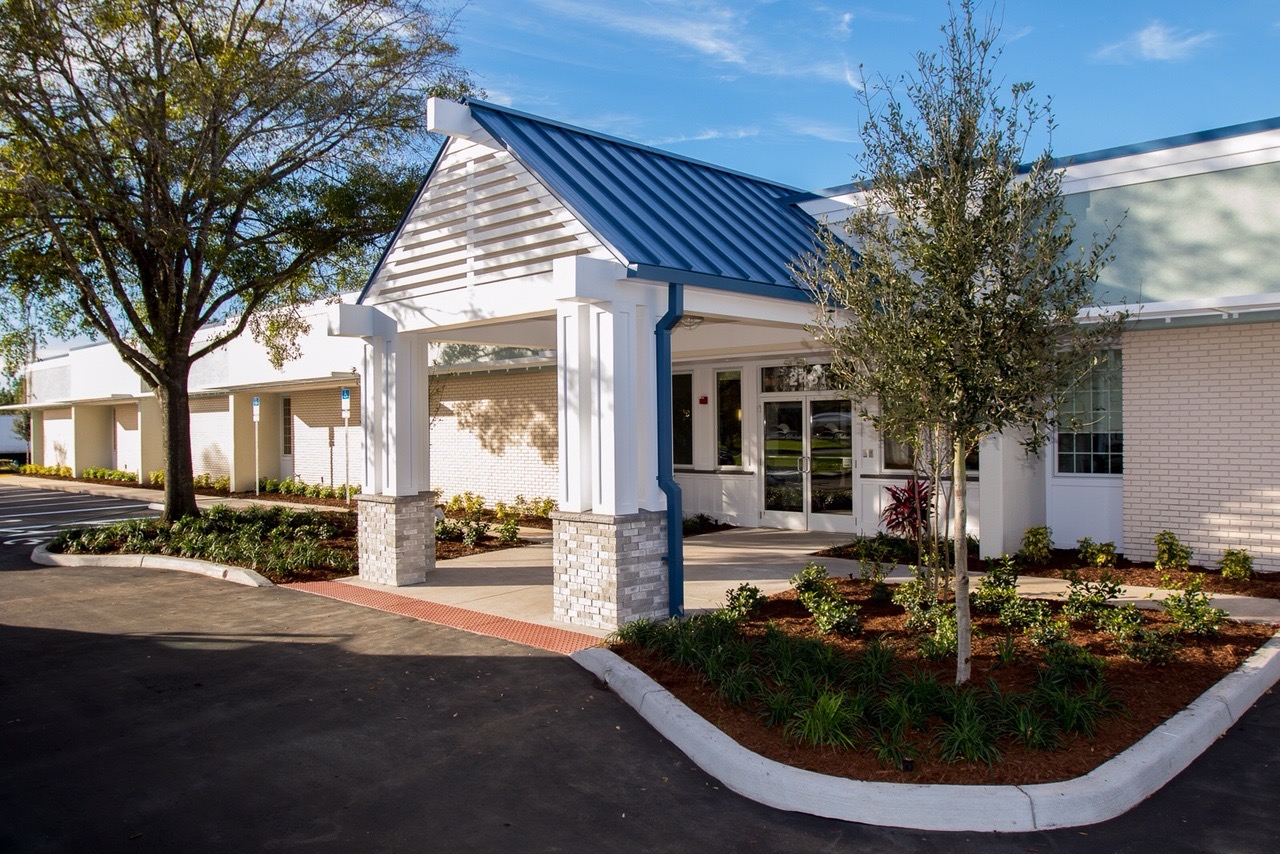
Opioid Detox in Orlando, FL
For years, Orange County, like so many other communities in Florida, was devastated by the opioid crisis, which was primarily driven by illegally produced fentanyl. But thanks to the state and local government’s focus and intervention, Florida and Orange County have seen a significant decline in opioid-related deaths.
According to Florida’s Medical Examiners Commission’s 2024 Annual Report, in 2024, opioid related deaths dropped statewide by 26% when compared to 2023. Furthermore, Orange County saw a 37.1% decrease during the same period. While fentanyl continued to play a significant role in these deaths, Orange County saw a 72% decrease in fentanyl-related deaths from 421 in 2021 to 121 in 2025.
While these numbers reflect a significant move forward, improvement does not mean safety. Opioid dependence develops quickly, and unsupervised withdrawal can be life-threatening.
What Opioid Withdrawal Feels Like
An individual who has become dependent on opioids will experience withdrawal symptoms when they attempt to reduce their use or stop altogether. These symptoms can range from mild to severe, even life-threatening.
Common symptoms of opioid withdrawal include:
- Chills and muscle aches
- Sweating
- Gastrointestinal distress, including abdominal pain, nausea, vomiting and diarrhea
- Restless legs
- Insomnia
- Anxiety
- Depressed mood
- Intense cravings
Individuals who are dependent on short-acting opioids like heroin, oxycodone and fentanyl will likely experience withdrawal symptoms beginning within 12 to 48 hours after the last use and persist for approximately four to 10 days.
For those with dependence on long-acting opioids, including methadone and extended-release opioids, withdrawal symptoms typically begin 12 to 48 hours after the last use, with a duration between 10 and 20 days.
In some instances, withdrawal symptoms become more than uncomfortable. Symptoms such as vomiting, diarrhea and excessive sweating can lead to dehydration, which, left untreated, can cause heart rhythm changes and organ failure in the most severe cases.
Attempting to detox at home in Orange County can be extremely risky. Additionally, going it alone increases the risk of early relapse. Individuals in relapse have an increased risk of overdose due to decreased tolerance, even after short breaks in use.
How Sunrise Detox Orlando Manages Opioid Detox
With more than two decades of experience in opioid addiction treatment, Sunrise Detox Orlando provides medically supervised care designed to help individuals begin recovery safely and comfortably. Our Joint Commission-accredited program delivers ASAM Level 3.7 detox services with treatment approaches customized to each person’s physical, emotional and clinical needs.
Because opioid withdrawal can be physically and emotionally challenging, clients receive 24/7 medical monitoring, nursing support and personalized care throughout the detox process. Our goal is to help individuals regain stability, manage withdrawal symptoms safely and prepare for the next stages of long-term recovery.
Treatment may include FDA-approved medications such as buprenorphine/naloxone (Suboxone) to reduce cravings and lessen withdrawal symptoms, along with additional supportive medications to address discomforts like anxiety, insomnia and nausea.
Florida’s Opioid Treatment Landscape Families Should Know
Families facing opioid addiction in Florida should be aware that the state’s treatment framework now combines emergency interventions, such as the Marchman Act, Medication-assisted treatment for incarcerated people and E-FORSCE to improve access to effective, evidence-based care.
Together, these policies strengthen coordination among healthcare providers and public agencies while reducing obstacles that can prevent individuals with opioid use disorder from receiving the care they need.
In 1993, Florida passed the Marchman Act, which allows a spouse, relative, three unrelated adults with personal knowledge or a licensed service provider to petition the court for involuntary assessment of someone whose substance use has impaired their judgment or created a safety risk.
Petitions are filed with the county clerk’s office and are considered a civil, not criminal process. Following an initial assessment, an individual can be held for up to five days and, with a court order, placed in treatment for up to 60 days.
In 2022, Orange County became the first county in Florida to offer medication-assisted treatment (MAT) in its jail system. Because MAT is considered a clinical standard for opioid use disorder treatment, this measure helps incarcerated individuals get the support they need to take the first step toward long-term recovery.
E-FORCSE or Florida’s Prescription Drug Monitoring Program is administered by the Florida Department of Health, which improves the safety of outpatient prescribing of narcotics after discharge.
Accreditations from respected organizations like The Joint Commission, along with Florida state licensure, can give individuals and families greater confidence when choosing a treatment facility. These credentials show that a program meets established standards for safety, quality of care and professional oversight, helping ensure you receive the highest quality of care.
Care Continuum from Orlando Detox to Long-Term Recovery
Recovery doesn’t stop after detox. For this reason, our case management team works closely with our clinical team during your stay to help coordinate your continued care. This can range from medication management to residential rehab or outpatient programs such as Partial hospitalization (PHP) or Intensive Outpatient (IOP).
Along with our detox program, we offer residential treatment at our Evolve Recovery Center in Orlando, which helps to ensure a seamless transition and continued support.
In addition to Orlando, we service the broader Orange and Seminole County region, as well as, Kissimmee, Sanford and Winter Park. For those who are coming to us from out-of-state, a member of our admissions team can assist you with travel logistics and out-of-network insurance verification.
Get Help Today at Sunrise Detox Orlando
Call and speak with a member of our admissions team at 407-305-4029. We offer free, no-obligation insurance verification and can answer any questions you may have about our treatment programs.
We are located at 2431 Sand Lake Road in Orlando, Florida, and are available 24/7 to assist you. Typically, we can get insurance verification within minutes and can begin your admission process right away.